
Mastering Rental Property Compliance: Navigating Ohio’s Rental Property Regulations

Owning rental property in Ohio can be a rewarding investment, but it also comes with responsibilities. Understanding the rules and regulations that govern rental properties is essential to protect your investment and maintain a positive relationship with your tenants. In this post, I will walk you through the key aspects of rental property compliance in Ohio, helping you feel confident and prepared to manage your property effectively.
Understanding Rental Property Compliance in Ohio
Rental property compliance means following all the laws and regulations that apply to rental homes. In Ohio, these rules cover everything from safety standards to tenant rights. Staying compliant is not just about avoiding fines or legal trouble; it’s about creating a safe, fair, and well-maintained living environment.
For example, Ohio law requires landlords to keep rental units in good repair. This includes functioning plumbing, heating, and electrical systems. If you ignore these requirements, tenants can withhold rent or even take legal action. That’s why I always recommend regular inspections and prompt repairs.
Ohio also has specific rules about security deposits, lease agreements, and eviction procedures. Knowing these details helps you avoid costly mistakes. For instance, Ohio limits the amount you can charge for a security deposit and requires you to return it within 30 days after the tenant moves out, minus any deductions for damages.
If you want to dive deeper into the specifics, you can check out the official rental property regulations ohio for a comprehensive guide.

Key Steps to Ensure Rental Property Compliance
To master rental property compliance, you need a clear plan. Here are some practical steps I follow and recommend:
Know the Law
Start by familiarizing yourself with Ohio’s landlord-tenant laws. This includes state statutes and any local ordinances that might apply in your city or county.
Create a Solid Lease Agreement
Your lease should clearly outline the rights and responsibilities of both parties. Include details about rent, security deposits, maintenance, and rules for the property.
Conduct Regular Inspections
Schedule inspections to catch maintenance issues early. This protects your property and shows tenants you care about their living conditions.
Maintain Open Communication
Keep lines of communication open with your tenants. Respond promptly to repair requests and concerns.
Document Everything
Keep records of all communications, repairs, payments, and inspections. This documentation can be invaluable if disputes arise.
Stay Updated
Laws can change. Make it a habit to review rental property regulations periodically to stay compliant.
By following these steps, you reduce risks and build a reputation as a responsible landlord.
What are Red Flags for Landlords?
Recognizing red flags early can save you from headaches down the road. Here are some warning signs I watch for when managing rental properties:
Incomplete or Vague Lease Agreements
A lease that doesn’t clearly state terms can lead to misunderstandings and disputes.
Ignoring Maintenance Requests
Delaying repairs can cause bigger problems and damage your relationship with tenants.
Poor Tenant Screening
Not thoroughly checking tenant backgrounds can result in late payments or property damage.
Lack of Documentation
Failing to document communications and transactions leaves you vulnerable in legal situations.
Noncompliance with Safety Codes
Overlooking safety requirements like smoke detectors or proper exits can lead to fines and endanger tenants.
If you spot any of these red flags, take action immediately. For example, if your lease is vague, update it with clear terms. If maintenance is lagging, prioritize repairs and communicate timelines to tenants.
Practical Tips for Managing Rental Property Regulations in Ohio
Managing rental property regulations doesn’t have to be overwhelming. Here are some actionable tips that have helped me stay on track:
Use Checklists
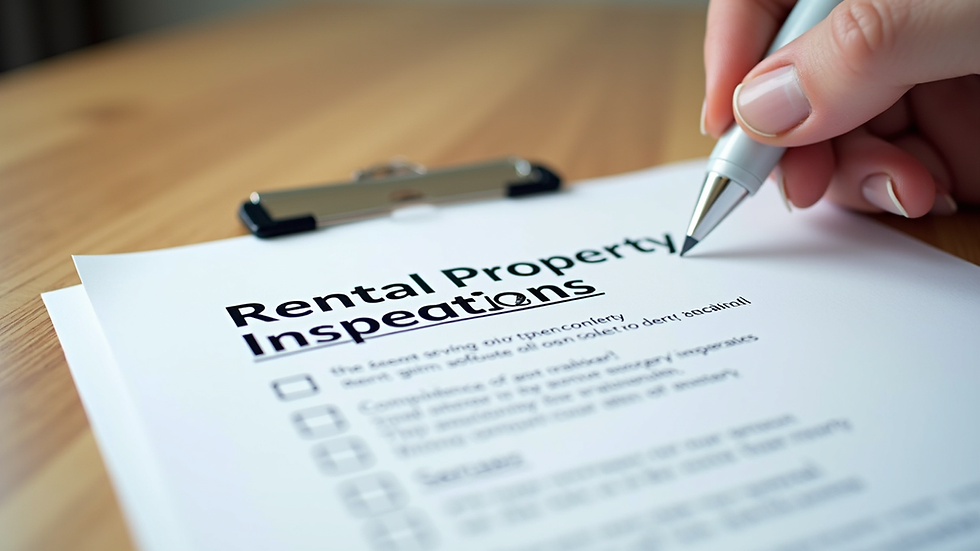
Create checklists for move-in, move-out, and routine inspections. This ensures nothing is overlooked.
Automate Rent Collection
Using online payment systems reduces late payments and keeps records organized.
Educate Yourself on Local Codes
Some cities in Ohio have additional rules. Check with your local housing authority to stay informed.
Hire Professionals When Needed
Don’t hesitate to bring in property managers, attorneys, or inspectors if you need expert help.
Maintain Insurance Coverage
Protect your investment with the right insurance policies. This also helps with risk management.
Keep Up with Tenant Rights
Respect tenant privacy and follow proper procedures for entry and eviction.
By incorporating these tips, you can manage your rental property smoothly and avoid common pitfalls.
Protecting Your Investment Through Compliance
Rental property compliance is not just about following rules; it’s about protecting your investment. When you maintain your property well and respect tenant rights, you reduce vacancies and costly repairs. Happy tenants are more likely to stay longer and take care of the property.
I always recommend regular property inspections and prompt attention to repairs. This proactive approach helps catch small issues before they become expensive problems. For example, fixing a leaking pipe early can prevent water damage and mold growth.
Additionally, understanding and following eviction laws carefully protects you from legal trouble. Ohio has specific steps you must follow to evict a tenant legally. Skipping any step can delay the process or result in penalties.
By mastering rental property compliance, you create a stable income stream and build a solid reputation as a landlord.
Taking the Next Step with Confidence
Navigating rental property regulations in Ohio might seem complex at first, but with the right knowledge and tools, it becomes manageable. I encourage you to take the time to learn the laws, organize your processes, and stay proactive.
If you ever feel unsure, consulting with professionals like property inspectors or legal advisors can provide peace of mind. Remember, your goal is to protect your investment and provide a safe, comfortable home for your tenants.
By mastering rental property compliance, you position yourself for long-term success in the rental market. Keep learning, stay organized, and don’t hesitate to seek help when needed. Your property and tenants will thank you.



Comments