
Northeast Ohio Summer Storms How High Winds, Rain, and Lightning Can Damage Your Home and How to Prepare

A summer storm in Northeast Ohio can look harmless after it passes. The sun comes back out, the driveway dries, and the roof looks normal from the ground. But high winds, heavy rain, and lightning can leave behind damage that does not show up right away.
Loose shingles, lifted flashing, wet insulation, cracked siding, and stressed electrical systems can sit hidden for weeks. By the time stains appear on a ceiling or a breaker keeps tripping, the problem may already be bigger than it needed to be.
Here is how to prepare your home for storm season, what to check after severe weather, and when to bring in help.

Understand what summer storms can do to a home
Summer storms often combine several types of stress at once. Wind pushes against the roof and siding. Rain looks for small openings. Lightning can affect electrical systems even when it does not directly hit the house.
High winds can lift shingles, loosen gutters, bend roof flashing, crack siding, and break tree limbs. Sometimes the shingles settle back down after the wind stops, which makes the roof look fine from the street.
Heavy rain can enter through tiny gaps around chimneys, vents, windows, doors, and roof valleys. Water can also collect near the foundation if downspouts are clogged or the grading around the house slopes the wrong way.
Lightning can damage wiring, outlets, appliances, garage door openers, HVAC controls, and electronics. A direct strike is obvious, but nearby strikes can also cause power surges.
The most expensive storm damage is often the kind that stays hidden.
Step 1. Inspect your roof before storms arrive
Start with the roof because it takes the hardest hit. You do not need to climb onto it. In fact, staying on the ground with binoculars is safer for most homeowners.
Look for:
Missing, curled, cracked, or lifted shingles
Dark patches where granules are worn away
Rusted or loose flashing around chimneys and vents
Sagging areas along the roofline
Branches touching or hanging over the roof
Gutters pulling away from the fascia
Pay special attention to roof valleys. These areas move a lot of water during heavy rain. If shingles or flashing fail there, leaks can develop fast.
If the roof is older or has already been patched, schedule a closer look before storm season. A small repair before a storm is usually easier than leak cleanup after one.
Step 2. Clear gutters and move water away from the foundation
Heavy rain becomes a problem when your home cannot move water away quickly. Clogged gutters can overflow and send water behind siding, under shingles, or down near the foundation.
Clean gutters and downspouts at least before summer storm season begins. After that, check them again if trees drop seeds, twigs, or leaves.
Good drainage should include:
Downspouts that discharge several feet away from the house
Soil that slopes away from the foundation
Window wells that stay clear of debris
Sump pumps that turn on properly
Backup power for the sump pump if the basement has a history of water problems
A basement does not need standing water to have storm damage. Damp walls, musty smells, peeling paint, and swollen trim can all point to moisture problems.

Step 3. Trim trees and secure loose outdoor items
Wind damage often starts outside the house. A loose patio chair can break a window. A weak branch can scrape shingles or damage siding. A dead tree limb can fall on a garage, fence, or service line.
Before storm season, walk the property and look for:
Dead branches
Limbs hanging over the roof
Trees leaning toward the house
Loose fence panels
Unsecured grills, umbrellas, planters, and furniture
Wobbly railings or exterior fixtures
Do not try to remove large limbs near power lines. Call a qualified tree service or utility provider. Storm preparation should reduce risk, not create a new hazard.
Step 4. Protect electrical systems from lightning and power surges
Lightning is unpredictable, but surge protection can reduce the risk of damaged electronics and appliances.
Use surge protectors for computers, TVs, routers, and other valuable electronics. For stronger protection, ask a licensed electrician about a whole-house surge protector installed at the electrical panel.
Before a storm, unplug sensitive electronics if severe weather is likely. This is especially useful for equipment connected to exterior lines, such as cable, internet, or antenna connections.
After a lightning storm, watch for warning signs:
Breakers that trip repeatedly
Outlets that smell burnt or feel warm
Lights that flicker after the storm has passed
Appliances that stop working without a clear cause
Garage door openers or smart devices acting strangely
Electrical issues need professional attention. Do not open the panel or troubleshoot wiring unless you are qualified.

Step 5. Check for hidden water damage after every major storm
After the storm passes and it is safe to move around, inspect the home from top to bottom. Do this even if everything looks normal outside.
Inside the home, check:
Ceilings below roof valleys, chimneys, and skylights
Attic insulation for damp spots
Walls around windows and exterior doors
Basement corners and foundation walls
Flooring near exterior walls
Around fireplaces and plumbing penetrations
Use your senses. A damp smell, bubbling paint, soft drywall, or a new stain often means water entered somewhere.
In the attic, look for wet insulation, dark roof decking, rusty nail tips, or daylight showing through roof openings. Bring a flashlight and step only on safe framing members. If access is tight or unsafe, leave it to a professional.
Step 6. Document damage before cleanup
If you find storm damage, take photos and videos before moving items or making repairs. Capture wide shots and close-ups. Take pictures of the outside, attic, basement, damaged materials, and any fallen branches or debris.
Keep receipts for emergency repairs, tarps, fans, cleanup supplies, or professional services. Clear documentation can help when speaking with insurance providers or contractors.
Temporary repairs can prevent more damage. For example, covering a small roof opening or removing wet materials may be necessary. Avoid permanent repairs until the damage has been properly reviewed.
Step 7. Schedule a professional inspection when damage is not obvious
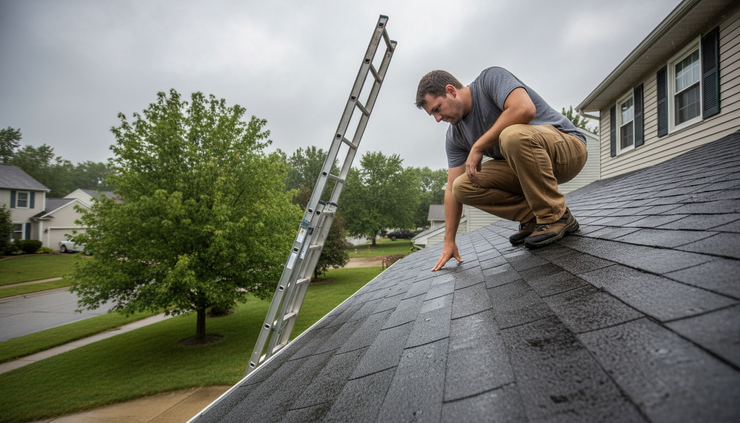
Some storm damage needs trained eyes. A roof may appear intact while shingles are lifted, flashing is loose, or moisture has reached the attic. A basement may look dry while humidity remains high behind finished walls.
A professional Home Inspection - Northeast Ohio service can help identify hidden storm-related issues in roofing, siding, drainage, attic spaces, foundations, and visible electrical components. This is especially helpful after high winds, hail, nearby lightning, or repeated heavy rain.
Consider an inspection if:
Neighbors had roof or siding damage
Large branches fell near the home
You notice new stains or odors
The roof is older
Gutters overflowed during the storm
The basement feels damp
Electronics or appliances stopped working after lightning
Build a simple storm-readiness routine
Storm preparation works best when it becomes a habit. Before summer weather ramps up, walk the exterior, clean gutters, test the sump pump, check trees, and make sure valuable electronics have surge protection.
After each major storm, do a quick review of the roofline, gutters, attic, basement, and interior ceilings. Fix small problems early. Water and wind damage rarely improve on their own.
A home does not have to take a direct lightning strike or lose part of its roof to suffer storm damage. In Northeast Ohio, repeated summer storms can slowly create leaks, moisture problems, and structural wear. A prepared home is easier to protect, easier to repair, and easier to trust when the next round of dark clouds rolls in.



Comments