
Roof Inspections: Walking the Roof vs. Drones vs. Camera Poles


The roof is one of the most important components of any structure. It serves as the primary barrier against weather, protects the building's interior systems, and can significantly impact a property's value and insurability. Because roof replacement is often one of the largest expenses a property owner may face, a thorough roof inspection is a critical part of any residential or commercial property evaluation.
Modern inspectors have several methods available to assess a roof's condition, including physically walking the roof, using drones, and utilizing extension poles equipped with cameras. Each method has advantages, limitations, and safety considerations. Understanding these differences helps property owners appreciate the inspection process and the value of a comprehensive roof assessment.
The Gold Standard: Walking the Roof
Whenever conditions permit and it can be done safely, physically walking the roof remains the most thorough method of inspection.
A hands-on inspection allows the inspector to closely evaluate roofing materials and identify defects that may not be visible from the ground or through photographs alone. Walking the roof enables the inspector to assess:
Shingle condition and wear
Missing, damaged, or loose roofing materials
Flashing installation and deterioration
Signs of hail or wind damage
Soft spots indicating potential deck deterioration
Roof penetrations and sealing methods
Drainage patterns
Evidence of previous repairs
The ability to physically touch materials and examine areas from multiple angles often reveals issues that technology alone may miss.
Benefits of Walking the Roof
Most comprehensive evaluation method
Allows close examination of materials
Identifies subtle defects and wear patterns
Provides direct assessment of workmanship
Allows inspection of difficult-to-photograph details
Limitations
Safety concerns on steep roofs
Weather-dependent
Some roofing materials can be damaged by foot traffic
Not appropriate for all roof types
For these reasons, inspectors must carefully evaluate whether walking a roof is safe and appropriate before proceeding.
Drone Roof Inspections
Drone technology has transformed the inspection industry in recent years. High-resolution cameras mounted on drones allow inspectors to safely evaluate roofs that may otherwise be inaccessible.
Drones can capture detailed photographs and videos from multiple angles, providing excellent documentation of roof conditions without requiring physical access.
Benefits of Drone Inspections
Improved safety
Access to steep or tall roofs
Detailed aerial photography
Reduced risk of damaging roofing materials
Ability to inspect large commercial roofs efficiently
Excellent documentation for clients and insurance carriers
Drones are particularly useful for:
Multi-story buildings
Commercial facilities
Steep-slope roofs
Fragile roofing materials
Areas with limited ladder access
Limitations of Drone Inspections
While drones provide exceptional visual information, they cannot replace every aspect of a physical inspection.
A drone cannot:
Feel soft decking
Assess material flexibility
Verify loose components through touch
Detect certain subtle defects hidden beneath materials
As a result, drones are often best viewed as a valuable inspection tool rather than a complete replacement for physical roof access.
Extension Pole Camera Inspections
Another increasingly common method involves using telescoping extension poles equipped with high-resolution cameras.
These systems allow inspectors to elevate a camera above the roof edge and capture detailed images without climbing onto the roof itself.
Benefits of Camera Pole Inspections
Improved safety
Fast deployment
Lower cost than drone equipment
Useful in confined spaces
Effective for single-story structures
Pole cameras are particularly helpful when:
Roof slopes are unsafe
Ground space limits drone operation
Quick visual assessments are needed
Weather conditions restrict drone flights
Limitations
Limited viewing angles
Reduced coverage on large roofs
Difficulty reaching complex roof designs
Less detail than a hands-on inspection
While extension poles can provide valuable information, they generally serve as a supplemental inspection method rather than a primary one.
Roof Types Generally Considered Walkable
Certain roofing systems are commonly considered suitable for walking when proper safety procedures are followed.
Architectural Asphalt Shingles
The most common residential roofing material in North America.
When dry and in good condition, asphalt shingle roofs with moderate slopes are typically walkable.
Three-Tab Asphalt Shingles
These roofs can often be safely walked, provided the shingles are not excessively brittle or deteriorated.
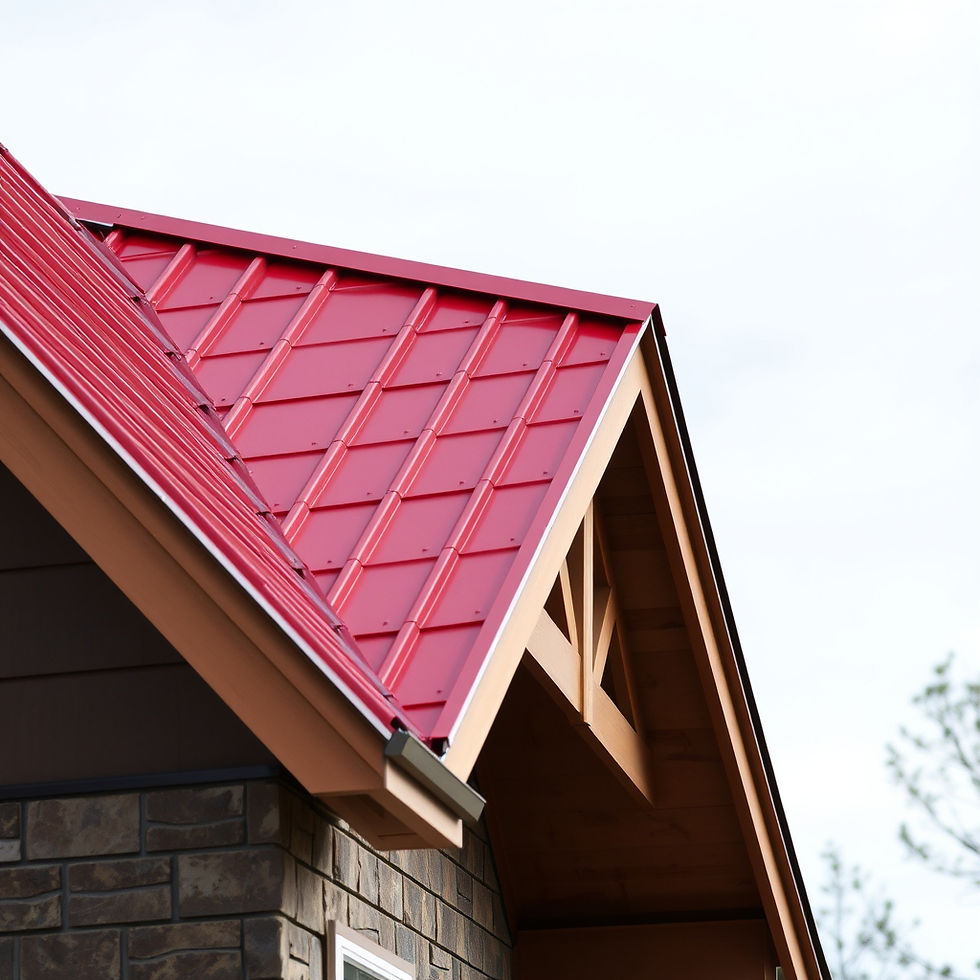
Standing Seam Metal Roofs
Some standing seam metal roofs can be walked carefully by trained inspectors who understand proper foot placement.
Low-Slope Commercial Membrane Roofs
Common systems include:
TPO
EPDM
PVC
These roofs are generally designed to accommodate maintenance traffic and are often walkable when dry and in good condition.
Roof Types That Are Often Not Recommended for Walking
Some roofing materials present elevated risks to both the inspector and the roof itself.
Clay Tile Roofs
Clay tiles are extremely fragile and can crack under foot traffic.
Walking these roofs may result in costly damage.
Concrete Tile Roofs
While stronger than clay tiles, concrete tiles can still crack or shift when walked improperly.
Slate Roofs
Slate roofing is beautiful and durable but highly susceptible to breakage from foot traffic.
Many inspectors avoid walking slate roofs entirely.
Wood Shake Roofs
Older wood shake roofs may be brittle, weathered, and structurally compromised.
Walking these roofs can accelerate deterioration and create safety hazards.
Steep-Slope Roofs
Regardless of material, roofs with excessive pitch may not be safely accessible without specialized fall protection equipment.
Wet, Icy, or Snow-Covered Roofs
Even otherwise walkable roofs become unsafe when environmental conditions reduce traction.
The Best Inspection Method Often Combines Technologies
The most effective roof inspections frequently involve multiple inspection methods.
An inspector may:
Walk accessible roof sections.
Use a drone to inspect inaccessible areas.
Utilize extension cameras to document difficult-to-view locations.
Examine the attic for signs of leaks and structural concerns.
By combining these approaches, inspectors can provide clients with a more complete understanding of the roof's condition while maintaining safety and protecting the roofing materials.
Final Thoughts
Every roof is different, and no single inspection method is appropriate for every situation. While walking the roof remains the most comprehensive way to evaluate roofing materials, safety must always come first. Drones and camera pole systems have become valuable tools that allow inspectors to assess roofs that may otherwise be inaccessible or vulnerable to damage.
A qualified inspector understands when a roof can be safely walked, when alternative methods are necessary, and how to use available technology to provide the most accurate assessment possible. Whether you're purchasing a home, evaluating a commercial property, or preparing for an insurance inspection, a thorough roof inspection can help identify concerns early and protect one of your property's most important assets.


Comments