
Why Real Estate Agents Should Recommend a Trusted Home Inspector

A home inspection can shape the way a buyer feels about the entire transaction. One clear explanation can calm nerves. One missed concern can create frustration later. One confusing report can leave a client unsure about what to do next.
For real estate agents, recommending a home inspector is more than a routine step in the purchase process. It is a professional referral that reflects on the care, judgment, and guidance clients expect from their agent.
The right inspector helps buyers understand the property in front of them. They explain what is accessible, what was observed, what may need attention, and what may require further evaluation. They do this without pushing the client toward a sale, away from a sale, or into unnecessary fear.
At Tempest Inspections & Consulting, the goal is simple: give clients a clear, honest understanding of the property so they can move forward with confidence.

A trusted inspector protects the client relationship
Buying a home is one of the largest financial decisions most people make. Even excited buyers often feel pressure once inspections, negotiations, lender deadlines, and closing dates start moving at the same time.
That is why the inspector’s role matters so much.
A good home inspector serves the client who hired them. They do not work for the seller. They do not work for the insurance company. They do not work for the real estate agent. Their responsibility is to evaluate the property as objectively as possible and explain the findings clearly.
That independence is what makes the inspection valuable.
When an agent recommends an inspector who takes that responsibility seriously, the client sees a process built on honesty. The agent is not simply trying to keep the deal moving. They are connecting the client with someone who will help them understand the home before they commit to it.
That trust can strengthen the agent-client relationship. A client may not remember every detail of the inspection report years later, but they will remember whether they felt informed, respected, and protected during the transaction.
A professional inspection also helps set the right expectations. No home is perfect. Even well-maintained homes can have aging systems, safety concerns, poor repairs, moisture issues, or maintenance needs. The value of the inspection is not in creating alarm. The value is in helping the client understand what those findings mean.
That includes explaining the difference between:
Normal wear and maintenance items
Repairs that should be addressed soon
Safety concerns that deserve attention
Conditions that may require a licensed specialist
Limitations that affected what could be inspected
This kind of context helps clients make informed choices rather than emotional ones.
Clear communication can keep the transaction grounded
A home inspection report can contain a lot of information. For a first-time buyer, even simple defects may sound serious if they are not explained well. For an experienced investor, a report that lacks detail may not provide enough support for smart planning.
This is where communication makes a major difference.
A trusted home inspector should be able to identify concerns, document them, and explain them in plain language. The goal is not to soften important findings. The goal is to make sure the client understands the issue, the possible impact, and the next reasonable step.
For example, a missing GFCI outlet near a sink is different from evidence of active water intrusion. An older furnace is different from a furnace that did not respond to normal controls. A cracked driveway is different from foundation movement. Each item deserves the right level of concern.
When findings are explained clearly, buyers can respond more calmly. Agents can also help guide next steps with better information.
A thorough inspector helps reduce confusion by avoiding vague language when possible. Instead of simply saying something is “bad” or “old,” the report should describe what was observed. Photos should support the written findings. Recommendations should help the client understand whether further evaluation, repair, or monitoring may be appropriate.
Transparency builds trust, and trust matters when clients are making a major investment.
Clear communication during the inspection walkthrough also helps. When clients can see a concern in person and ask questions, the report becomes easier to understand later. That conversation can make the difference between a client feeling overwhelmed and a client feeling informed.
Thorough observations give clients a fuller picture
A quality inspection looks at the accessible systems and components of a property and documents visible conditions at the time of inspection. That may include the roof, attic, exterior, structure, electrical system, plumbing system, heating and cooling equipment, insulation, ventilation, interior rooms, basement, crawl space, and other visible areas.
The inspector cannot see through walls or predict the future. Still, a careful process can reveal important information.
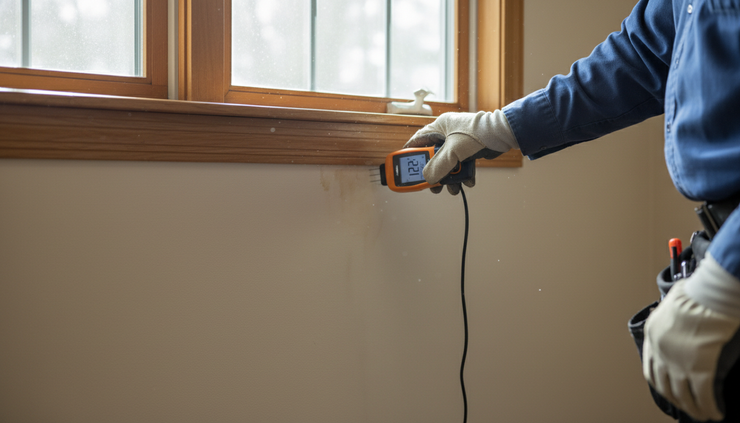
At Tempest Inspections & Consulting, inspections are detail-oriented and practical. Accessible components are evaluated. Relevant findings are documented. Tools such as thermal cameras and moisture meters may be used when they can help identify concerns that are not immediately visible.
These tools do not replace experience or judgment. They support the inspection process. A thermal camera can show temperature differences that may point to missing insulation, air leaks, or moisture patterns. A moisture meter can help check an area where water staining or soft materials raise concern. The inspector still has to interpret what the tool is showing and explain it responsibly.
That balanced approach matters. A good inspector should not exaggerate a finding just because a tool detected something unusual. They should also not ignore a concern simply because it is inconvenient or may complicate the transaction.
The client deserves an accurate picture of the property.
For real estate agents, this level of thoroughness helps in another way. It reduces the chance of surprise after closing. No inspection can uncover every possible issue, but a methodical, well-documented inspection gives clients a clearer understanding of current conditions before they make final decisions.
This is especially helpful for older homes, renovated homes, homes with additions, and properties that have had years of repairs by different owners. Some issues may be minor. Others may need prompt attention. A thorough inspection helps sort those findings into a useful path forward.
Agents who regularly support buyers know how valuable that clarity can be.
Useful reports help clients take the next step
A client does not need a report that simply lists defects. They need a report they can use.
A strong inspection report should be organized, detailed, and easy to follow. Photos should show the concern clearly. Written comments should explain what was observed. Recommendations should be direct enough to help the client plan their next step.
This matters because the report often becomes the client’s main reference after the inspection day. They may review it with their agent, discuss it with a contractor, share parts of it with a specialist, or use it to plan future maintenance after closing.
A photo-rich report can help clients remember what the inspector explained during the walkthrough. It can also reduce confusion when multiple issues are discussed in a short period of time.
A useful report helps clients distinguish between different levels of concern. For example:
A routine maintenance item may need attention but not immediate action.
A recommended repair may affect function, safety, or performance.
A larger concern may require further evaluation by a qualified contractor or specialist.
A limitation may explain why part of the home could not be fully inspected.
That structure gives clients a more practical understanding of the home.
For agents, a clear report can also support a smoother conversation after the inspection. When the findings are well documented, everyone has a better starting point. The client can focus on what matters most to them. The agent can help them consider their options within the terms of the transaction.
Residential Inspections should leave buyers with more clarity than confusion. The report should support the client’s decision-making, not bury them in unclear language or alarming statements.

Your recommendation carries professional weight
When an agent recommends a home inspector, the client often assumes the agent has worked with that inspector before or trusts their process. That recommendation carries weight.
Clients may ask friends and family for inspector names. They may search online. They may choose from a list. Yet many still look to their agent for guidance because the agent understands the transaction and knows what kind of service can support it.
That is why the inspector’s standards matter.
A dependable inspector should:
Provide honest, unbiased information
The client deserves findings based on the condition of the property, not on pressure from any party.
Evaluate the accessible property thoroughly
A careful process helps identify visible concerns and gives the client a fuller picture.
Communicate findings clearly
Plain language helps clients understand what matters and what steps may come next.
Deliver a detailed, photo-rich report
Good documentation helps clients review findings after the inspection and discuss them with the right professionals.
Take time to answer questions
The inspection should create understanding, not confusion.
Work in the client’s best interest
The inspector’s role is to inform the client, not influence the outcome of the sale.
This kind of inspection experience reflects well on the agent who made the recommendation. It shows that the agent values informed clients and transparent transactions.
It also helps reduce tension. When an inspector communicates professionally and avoids unnecessary alarm, clients can process concerns more reasonably. When an inspector documents important issues clearly, clients can address them with confidence. When an inspector respects the limits of the inspection, clients get honest guidance instead of guesswork.
The same principles apply beyond single-family homes. Buyers of investment properties, multi-unit buildings, and commercial spaces also need clear information before making decisions. Commercial Inspections often involve different systems, property uses, and client goals, but the need for trust, transparency, and thorough evaluation remains the same.
A strong inspector does not create drama. A strong inspector creates clarity.
Northeast Ohio clients deserve inspection guidance they can trust
Every market has its own property conditions, and Northeast Ohio is no exception. Buyers may encounter older housing stock, basements, crawl spaces, seasonal moisture concerns, aging mechanical systems, roof wear from freeze-thaw cycles, or repairs completed over many years of ownership.
Those details make a careful inspection valuable.
At Tempest Inspections & Consulting, clients receive an inspection experience built on trust, transparency, and thoroughness. The goal is to help each buyer understand the property, ask better questions, and make an informed decision.
For real estate agents, that kind of inspection partner can make a meaningful difference. The right inspector supports the client without adding pressure. They document concerns without exaggeration. They explain findings without talking over the buyer. They respect the transaction while staying loyal to the client’s need for honest information.

A good inspection does not guarantee a perfect home. It gives clients a better understanding of the home they are considering. That understanding can help them decide what to accept, what to ask about, what to repair, and what to plan for after closing.
If you are looking for a trusted home inspector for real estate clients in Northeast Ohio, Tempest Inspections & Consulting would welcome the opportunity to work with you and your clients.
Tempest Inspections & Consulting
Serving Northeast Ohio



Comments